
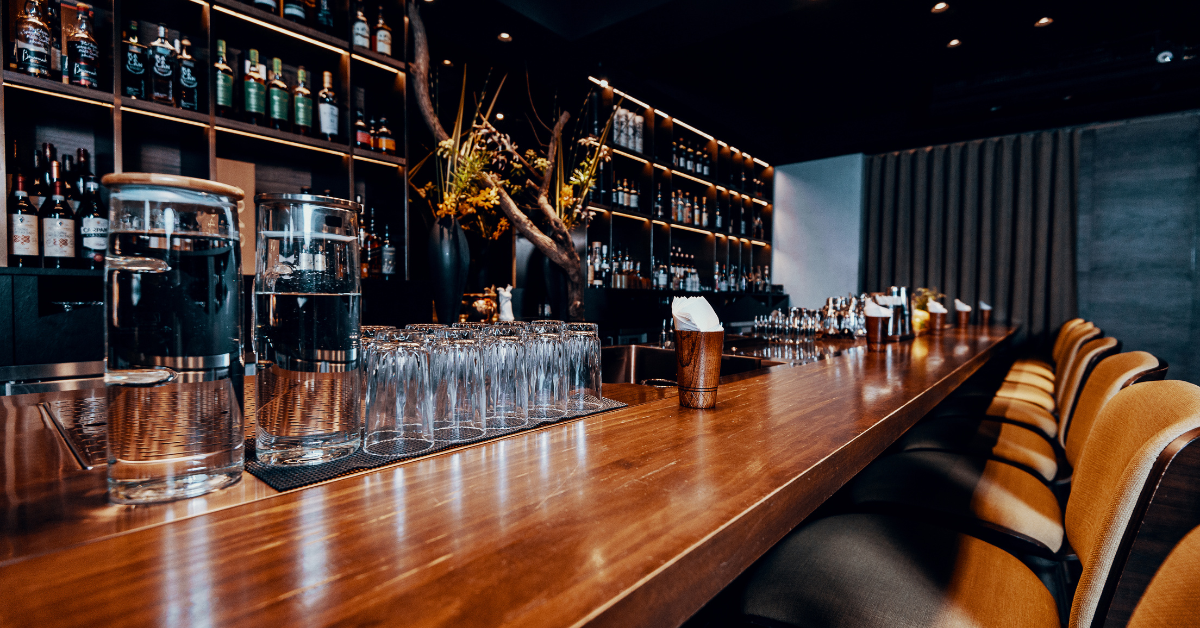
Home bars are no longer an afterthought. They have evolved into key functional and aesthetic zones in modern homes. For 2026, design and functionality converge with technology, materials science, and entertaining psychology in ways we haven’t seen before. If you’re planning a project this year, these trends will give you a technical edge and ensure your bar stays relevant and enjoyable for years to come.
Integrated Indoor–Outdoor Flow
One of the biggest shifts in home bar design is fluid integration between indoor and outdoor spaces. Sliding glass walls and pocket doors are now engineered to create a seamless transition from living rooms or kitchens to patios and decks. This is more than aesthetics. It’s about airflow, sightlines, and maximizing usable square footage. Designers use flush thresholds and coordinated floor materials to avoid visual breaks between zones, creating a bar that functions equally well with indoor entertaining or alfresco gatherings.
Hidden Bars and Concealed Functionality
Concealed or “pop-open” bars are a sophisticated alternative to traditional exposed layouts. These integrate wet bar components — sink, mini-fridge, and cocktail station — behind paneling or cabinetry that matches the surrounding interior finish. Hydraulic lift doors, dovetail drawer systems, and soft-close hardware are common. Choosing this route requires precise millwork tolerances so that doors align perfectly and moisture doesn’t damage adjoining surfaces.
Smart Hardware and Lighting Systems
Tech integration is now standard. Expect motion-activated under-cabinet lighting, app-controlled refrigeration zones that can adjust to beer, wine, or spirits, and smart glass that tints on demand. Multizone LED lighting systems can be synchronized with music or voice commands. Integrating electrical, data, and lighting conduits in concealed chaseways ensures these systems feel built-in rather than add-ons. Controlled via apps or panels, they elevate both visibility and ambiance.
Personal Expression Through Decor
Trend data shows people want personalization over generic designs. Bold color accents, sculptural materials, and curated collections of glassware or spirits are driving design decisions. In fact, Zillow’s analysis forecasts color drenching and expressive personalization as defining interior trends for 2026.
On the decorative side, functional signage and art are rising. Customized visuals both brand the space and act as UV-protected accents. For example, neon beer signs add vibrant, durable lighting that doubles as branding without distracting glare.
Material Science Meets Durability
Resilient surfaces are becoming essential. Quartz and engineered stone are standard for bar tops because they resist staining, abrasion, and impact. Flooring around bars often switches to slip-resistant porcelain or sealed concrete to handle splashes without long-term damage. Durable hardware finishes like PVD-coated brass or anodized aluminum are replacing plated metals, which wear faster in high-use zones.
Ergonomic Design for Functionality
Ergonomics matter. Height calibration for countertops now varies depending on function. Standard bar counters are 42 inches high, but beverage prep zones may sit at 38–40 inches for optimal reach and comfort. Spacing between seating and counters must allow at least 24 inches per person at stools, plus 14–18 inches of knee clearance beneath the counter. Storage systems are increasingly pull-out solutions with soft-close slides and adjustable dividers to maximize accessibility.
Specialty Zones and Temperature Control
In 2026, dedicated zones are common. Two-temperature wine storage, draft beer systems with insulated kegs and glycol-cooled lines, and dedicated cocktail prep stations are no longer exclusive to commercial spaces. For beer lovers, integrated draft systems can include dual regulators and nitrogen options. Maintain keg lines at consistent temperatures (ideally 36–38°F) with glycol recirculation to avoid foam issues during peak use.
Lighting as a Structural Element
Ambient and task lighting has become structural, not decorative. Recessed fixtures with high CRI (Color Rendering Index) illuminate glassware and bottle displays accurately. Backlit shelving with diffusion panels hides LED points and prevents glare. Accent lighting can be configured with customizable profiles so that areas like tasting spaces or game zones shift brightness instantly.
Sustainability and Material Sourcing
Eco-conscious design isn’t superficial. Reclaimed woods, low-VOC finishes, and sustainably sourced metals are increasingly specified. These choices affect acoustics, air quality, and long-term durability. Even cabinetry adhesives and sealants are selected based on low-emission profiles to meet evolving code standards in green building certifications.
Nearly 74% of homeowners say technology integration and energy efficiency are top priorities in remodeling projects especially in entertainment spaces such as bars and kitchens, according to the Houzz 2025–26 renovation report.
Designing a home bar today means balancing visual impact with engineering rigor. From ergonomic planning to smart systems and material performance, these technical trends will shape the way we build and enjoy home bars well into the decade.
