
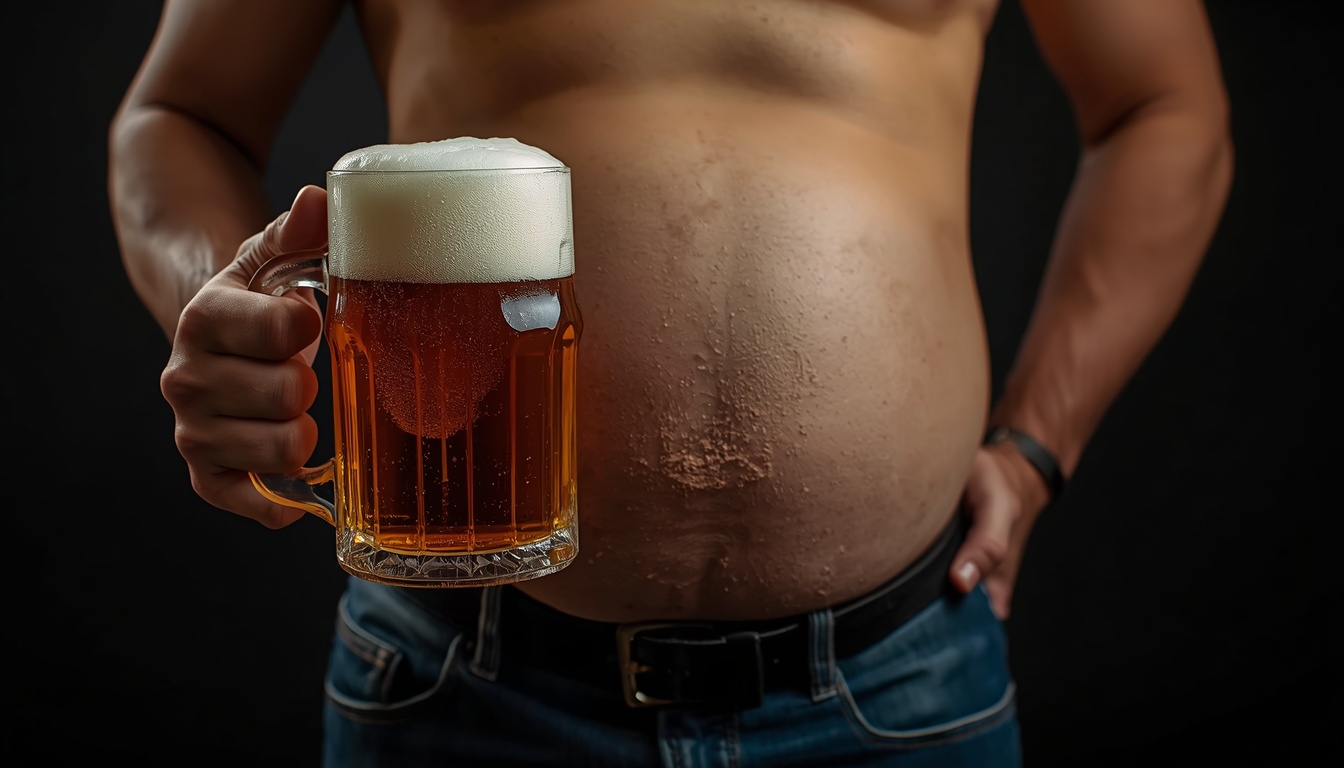
You’ve probably heard people joke about “beer bellies” or blame their gut on too many nights at the bar. But does beer actually cause that extra weight around the middle, or is it just an unfair reputation? The connection between beer and belly fat is more complicated than most people think.
Beer itself doesn’t specifically cause belly fat, but drinking too much of it can lead to weight gain around the stomach because beer contains extra calories that add up quickly. When someone drinks multiple beers regularly without burning off those calories through exercise, the body stores that excess energy as fat. This often shows up around the belly, especially in men.
The real story behind beer bellies involves more than just what’s in the glass. Diet choices, activity levels, sleep habits, and stress all play a role in where the body stores fat. Understanding how beer fits into the bigger picture can help anyone make better choices about drinking without giving up the occasional cold one.
Key Takeaways
- Beer contains calories that can contribute to overall weight gain and belly fat when consumed in excess
- Belly fat comes from eating or drinking more calories than the body burns, not specifically from beer alone
- Lifestyle factors like diet, exercise, and sleep quality have a bigger impact on belly fat than beer by itself
What Is a Beer Belly?
A beer belly is excess fat that builds up in the abdominal area, creating a rounded, protruding stomach. This type of fat accumulation gets its name from the common association with beer drinking, though the reality is more complex.
Defining the Term
A beer belly refers to visceral fat that accumulates deep inside the abdominal cavity. This fat sits around vital organs like the liver, stomach, and intestines. It’s different from the soft fat just under the skin.
The term “beer belly” is actually a nickname for abdominal obesity. Other common names include spare tire, middle-age spread, or apple shape. The fat creates a firm, rounded appearance in the midsection.
Visceral fat is the type of fat that poses the most health risks. It surrounds internal organs and can interfere with their normal function. This makes it different from fat stored in other areas of the body.
Common Misconceptions
Many people think only beer causes this type of belly fat. The truth is that excess calories from any source can lead to abdominal fat gain. Wine, pizza, ice cream, and other high-calorie foods contribute just as much as beer.
Another myth is that only beer drinkers get beer bellies. Anyone who consumes too many calories can develop excess abdominal fat. The beer belly isn’t exclusive to people who drink alcohol.
Some believe certain types of alcohol are worse than others. However, it’s the total calorie intake that matters most. A pint of beer contains about 180 calories, similar to a cheeseburger.
Typical Physical Characteristics
The beer belly appears as a round, firm protrusion in the stomach area. The belly often feels hard to the touch rather than soft. This firmness comes from fat packed around internal organs.
People with beer bellies often have a larger waist measurement. Men tend to store fat in the abdominal area more than women. This creates the classic “apple” body shape.
The fat distribution is usually centered around the midsection. Arms and legs may remain relatively slim while the stomach area expands. This uneven fat storage pattern is typical of visceral fat accumulation.
How Beer Affects Body Fat
Beer contributes to belly fat through its calorie content, how alcohol changes the body’s ability to burn fat, and where those extra calories end up being stored.
Caloric Content of Beer
A typical 12-ounce beer contains between 150 and 200 calories. Light beers have fewer calories, usually around 100 per serving, while craft beers and IPAs can pack 200 to 300 calories in a single glass.
These calories add up quickly. Someone who drinks three regular beers consumes an extra 450 to 600 calories. That’s similar to eating a full meal without the nutrients the body needs.
Beer provides what nutritionists call “empty calories.” The drink offers energy but lacks protein, vitamins, and minerals that help people feel full and satisfied.
Common Beer Calories:
- Light beer: 90-100 calories
- Regular beer: 150-180 calories
- Craft/IPA: 200-300 calories
- Stout: 200-250 calories
Alcohol’s Impact on Metabolism
Alcohol slows down fat burning in the body. When someone drinks beer, their liver prioritizes processing the alcohol instead of breaking down fat for energy.
The body treats alcohol as a toxin that needs immediate attention. This means fat metabolism gets put on hold while the liver works to remove the alcohol from the system. During this time, calories from food and the beer itself are more likely to be stored as fat.
Alcohol also affects hormones that control hunger and fullness. People often eat more after drinking because alcohol can increase appetite and reduce self-control around food choices.
Storage of Excess Calories
Extra calories from beer typically get stored as visceral fat around the abdomen. This type of fat surrounds internal organs like the liver and intestines.
Visceral fat is different from the fat just under the skin. It builds up deep in the belly and creates the rounded “beer belly” appearance. Men tend to store fat in their midsection more than women do, which is why beer bellies are more common in male drinkers.
The body chooses to store alcohol-related fat in the abdomen because that’s where visceral fat naturally accumulates first when someone consumes too many calories from any source.
Comparing Beer to Other Alcoholic Drinks
Not all alcoholic drinks affect weight gain the same way. Beer, wine, and liquor each contain different calorie amounts and may lead to different drinking habits that impact belly fat.
Calorie Comparison
Beer typically contains more calories per serving than wine or spirits. A regular 12-ounce beer has about 150 calories, while light beer has around 100 calories.
Wine comes in at roughly 120-125 calories for a 5-ounce glass. Straight liquor contains about 97 calories per 1.5-ounce shot, but mixed drinks can have 200-300 calories or more depending on added sugars and mixers.
The calorie difference adds up quickly with multiple drinks. Someone who drinks three regular beers consumes about 450 calories, compared to 365 calories from three glasses of wine. However, three mixed cocktails with sugary additions could easily exceed both options.
Types of Alcohol and Weight Gain
Research shows that regular beer leads to more weight gain than liquor. Studies found that drinking one beer daily led to a gain of 0.61 pounds over four years, while one daily liquor drink resulted in 0.28 pounds of weight gain.
Beer doesn’t target belly fat specifically more than other alcohol types. Any alcoholic drink can contribute to abdominal weight gain because the body prioritizes breaking down alcohol over burning fat. This means fat storage increases regardless of whether someone drinks beer, wine, or spirits.
The type of drink matters less than total alcohol and calorie intake over time. Someone who drinks multiple glasses of wine or cocktails each week faces similar risks as a regular beer drinker.
Drinking Patterns and Portion Sizes
How people drink matters as much as what they drink. Beer drinkers often consume larger volumes because beer has lower alcohol content per ounce than wine or liquor. Someone might easily drink three or four beers in one sitting but would feel the effects much sooner from an equivalent amount of wine or spirits.
Binge drinking raises the risk of belly fat gain significantly. Having more than one beer per day or regularly consuming multiple drinks in short periods promotes fat storage around the midsection.
Mixed drinks present a hidden danger because bartenders often pour more than standard serving sizes. A restaurant margarita might contain 2-3 shots of tequila plus sugary mixers, creating a high-calorie drink that exceeds several beers.
Role of Lifestyle and Diet
A beer belly forms mainly from eating too many calories and not moving enough throughout the day. Genetics also plays a part in where the body stores fat.
Eating Habits When Consuming Beer
People often eat high-calorie snacks and meals when drinking beer. Bar foods like wings, nachos, pizza, and fried appetizers add hundreds of extra calories to a drinking session.
Beer itself contains empty calories with little nutritional value. A regular 12-ounce beer has about 150 calories, and those calories add up quickly over several drinks.
Alcohol also affects decision-making and lowers self-control. This makes it easier to overeat or choose unhealthy foods. Late-night eating after drinking sessions adds even more unwanted calories.
The body processes alcohol as a toxin and burns it for energy first. This means calories from food get stored as fat instead of being used right away. Beer also increases appetite in many people, leading them to eat more than they normally would.
Physical Activity Levels
People who sit most of the day are more likely to develop belly fat. Office workers, those who watch a lot of TV, and anyone with a sedentary lifestyle face higher risks.
Regular exercise helps burn calories and prevents fat buildup around the stomach. Even light activity like walking 30 minutes daily makes a difference.
Heavy drinking can reduce motivation to exercise. People often feel tired or hungover after drinking, which leads to skipping workouts. This creates a cycle where drinking replaces active hobbies and exercise routines.
Building muscle through strength training helps the body burn more calories at rest. Cardio exercises directly burn calories and reduce existing belly fat.
Genetic Predispositions
Some people naturally store more fat around their midsection due to their genes. Men typically gain belly fat more easily than women because of how their bodies distribute fat.
Age affects fat storage patterns too. Metabolism slows down as people get older, making it easier to gain weight in the stomach area.
Family history matters when it comes to body shape and fat distribution. Someone whose parents carried weight around their middle will likely follow the same pattern. However, genes don’t guarantee a beer belly – lifestyle choices still play the bigger role in whether someone develops excess belly fat.
Abdominal Fat: Risks and Health Effects
Belly fat poses serious health threats beyond just appearance. The type of fat stored in the abdomen and its links to major diseases make it a critical health concern.
Visceral Fat Versus Subcutaneous Fat
The body stores two main types of fat around the midsection. Subcutaneous fat sits just under the skin and can be pinched with fingers. Visceral fat wraps around internal organs deep inside the belly.
Visceral fat creates more health problems than subcutaneous fat. It releases inflammatory substances and hormones that interfere with normal body functions. These substances travel to the liver and other vital organs, disrupting their work.
A person can have visceral fat even if they don’t look overweight. Someone might appear thin but still carry dangerous amounts of fat around their organs. This hidden fat still raises health risks.
Doctors measure waist size to estimate visceral fat levels. Men with waists over 40 inches and women over 35 inches typically have excess visceral fat.
Health Conditions Linked to Abdominal Obesity
Excess belly fat increases the risk of heart attack and stroke. The fat disrupts cholesterol levels and raises blood pressure. It also makes arteries stiffer and promotes blood clots.
Type 2 diabetes develops more often in people with abdominal obesity. Visceral fat makes cells resistant to insulin, which controls blood sugar. The pancreas works harder to produce enough insulin until it cannot keep up.
Other health problems linked to belly fat include:
- Metabolic syndrome – A cluster of conditions including high blood pressure, high blood sugar, and abnormal cholesterol
- Certain cancers – Including colon, breast, and pancreatic cancer
- Sleep apnea – Breathing interruptions during sleep
- Fatty liver disease – Fat buildup in liver cells that impairs liver function
- Erectile dysfunction – Reduced blood flow affects sexual function
The risks grow as waist size increases. Even modest reductions in belly fat can lower these health threats.
Tips for Enjoying Beer Without the Belly
Beer doesn’t have to lead to weight gain if someone makes smart choices about how they drink it, what they eat, and how active they stay. The key is balancing enjoyment with healthy habits that prevent excess calories from adding up.
Mindful Drinking Habits
Choosing lower-calorie beer options makes a real difference in total calorie intake. Light beers typically contain 90-110 calories per 12-ounce serving, while regular beers can have 150-200 calories or more. Someone who drinks three regular beers consumes an extra 150-300 calories compared to light versions.
Drinking water between beers helps reduce overall alcohol consumption and keeps the body hydrated. This simple habit naturally slows down drinking and helps people feel fuller. Setting a limit before going out gives clear boundaries, like having only two beers instead of drinking without counting.
Smaller serving sizes also matter. A 12-ounce beer has fewer calories than a 16-ounce pint. Drinking slowly and savoring each beer makes the experience last longer without needing multiple drinks.
Improving Diet Choices
The foods someone eats alongside beer often contribute more to belly fat than the beer itself. Bar snacks like wings, nachos, and fried appetizers can add 500-1,000 calories to a drinking session. Choosing healthier options like grilled chicken, vegetable sticks, or a side salad keeps calorie totals in check.
Planning meals on days when drinking beer helps maintain balance. Eating protein-rich foods earlier in the day keeps someone satisfied and less likely to overeat later. Skipping meals to “save calories” for beer usually backfires because it leads to poor food choices when hungry and tipsy.
Avoiding late-night eating after drinking prevents extra calories that the body doesn’t need. Many people consume their biggest calorie surplus not from beer but from pizza or fast food eaten at midnight.
Incorporating Exercise
Regular physical activity burns the extra calories that beer adds to someone’s diet. A 30-minute jog burns roughly 250-300 calories, which offsets about two regular beers. Strength training builds muscle that increases metabolism even during rest.
Staying active doesn’t require hours at the gym. Walking more during the day, taking stairs instead of elevators, and doing bodyweight exercises at home all contribute to burning calories. Even yard work or playing with kids counts as physical activity.
Exercising on the same days as drinking helps the body process alcohol better and maintains calorie balance. Someone who knows they’ll have beers with friends on Saturday might do a longer workout that morning.
Debunking Popular Myths
Many people believe beer uniquely causes belly fat. This isn’t true. The “beer belly” can come from any source of extra calories, whether that’s beer, wine, pizza, or ice cream.
Common myths about beer and belly fat:
- Myth: Beer goes straight to the stomach as fat
- Truth: The body stores excess calories from any food or drink as fat throughout the body
- Myth: Only beer drinkers get belly fat
- Truth: Anyone who consumes more calories than they burn can develop abdominal fat
- Myth: Beer contains special ingredients that cause belly fat
- Truth: Beer calories work the same way as calories from other sources
The real culprit behind a beer belly is consuming too many calories overall. Poor eating habits, lack of exercise, and drinking too much alcohol all play a role.
When someone drinks more than one beer per day or binge drinks regularly, they increase their risk of gaining belly fat. But this happens because of the extra calories, not because beer has some special fat-storing property.
The type of fat that builds up in the belly is called visceral fat. It accumulates deep in the abdominal cavity. This fat develops when people eat or drink more calories than their body uses for energy.
Beer doesn’t target the belly any differently than other caloric beverages or foods. The “beer belly” name simply stuck because many beer drinkers tend to develop this type of weight gain over time.
Conclusion
Beer itself doesn’t directly cause a beer belly. The real problem is the extra calories that add up when someone drinks too much beer over time.
A beer belly is just excess fat around the stomach area. This fat can come from any food or drink that has calories, not just beer. Pizza, ice cream, soda, and wine can all lead to the same result if a person eats or drinks too much of them.
What really matters:
- Total calorie intake from all sources
- How much physical activity a person gets
- How often they drink alcohol
- Their overall eating habits
Beer does make gaining belly fat easier for a few reasons. It adds extra calories to a person’s diet without making them feel full. Many people also eat more food when they drink. Plus, the body burns alcohol for energy first, which means it stores fat from food instead of burning it.
The good news is that someone can still enjoy beer without growing a belly. They just need to drink in moderation, stay active, and watch their overall diet. One beer occasionally won’t cause problems, but drinking multiple beers every day likely will.
Anyone who wants to lose belly fat needs to focus on their whole lifestyle. That means eating better, moving more, and cutting back on alcohol. There’s no special trick that targets just belly fat.
