
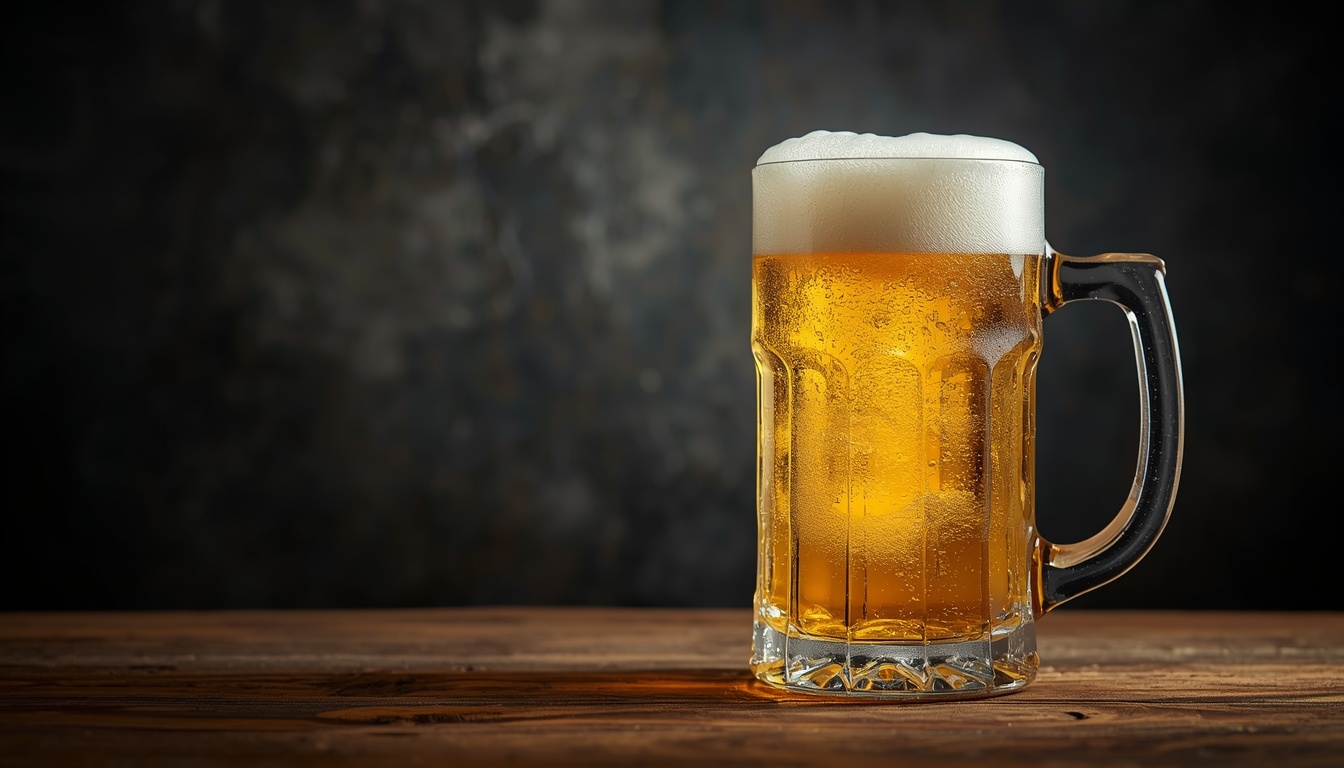
You might enjoy beer, but you also worry it could spark a painful gout attack. Yes — beer can raise the chance of gout flares because it affects uric acid and contains compounds that can trigger attacks. That doesn’t mean you must give up beer completely, but you should know how much and which types raise your risk.
This article shows what the science says, how beer changes uric acid, and what practical steps someone can take to lower flare risk while still enjoying a drink now and then.
Key Takeaways
- Beer can increase the risk of gout flares by raising uric acid levels.
- Not all drinking habits carry the same risk; amount and type matter.
- Simple lifestyle changes can lower flare risk while allowing occasional beer.
Understanding Gout and Its Causes
Gout is a type of arthritis caused by crystal buildup in joints. It leads to sudden, painful attacks and ties closely to uric acid levels, diet, and other health factors.
What Is Gout?
Gout is an inflammatory arthritis that most often affects the big toe, but it can hit ankles, knees, wrists, and fingers. During a flare, the joint becomes red, swollen, hot, and very painful—people often describe pain that starts overnight and peaks within 24 hours.
A gout diagnosis usually comes from finding needle-like urate crystals in joint fluid or from very high blood levels of uric acid. Doctors also look at attack pattern, X-rays, and medical history. Treatment targets both short attacks (with anti-inflammatories) and long-term uric acid control.
How Uric Acid Triggers Symptoms
Uric acid forms when the body breaks down purines, molecules found in cells and many foods. When uric acid rises too high, it can form sharp, needle-like crystals that lodge in joint tissue.
Those crystals trigger inflammation: immune cells rush in, release chemicals, and cause the swelling and intense pain of a flare. Kidneys normally remove uric acid, but if production is high or excretion is low, crystals are more likely to form. Medicines and lifestyle changes aim to lower uric acid and prevent crystal buildup.
Common Risk Factors
Key risk factors include:
- Diet: High-purine foods (red meat, seafood) and alcohol, especially beer, raise uric acid.
- Body weight: Obesity increases uric acid production and reduces kidney clearance.
- Medical conditions: Hypertension, diabetes, kidney disease, and metabolic syndrome raise risk.
- Medications: Diuretics and some immune drugs can reduce uric acid excretion.
Age and sex matter: men typically develop gout earlier, while women’s risk rises after menopause. Family history also increases the chance of high uric acid and gout.
How Beer Affects Uric Acid Levels
Beer raises uric acid in two main ways: it supplies purines that break down into uric acid, and it changes how the body makes and clears uric acid. Different beer types and drinking patterns change the size and timing of that effect.
Purines in Beer
Beer contains purines, organic compounds found in yeast and certain grains. When the body digests purines, it produces uric acid. Darker, unfiltered, or craft beers often have higher yeast content, which can mean slightly more purines per serving.
A typical 12-ounce (355 ml) beer has enough purines to matter for people with gout or high uric acid. Regular beer drinkers can accumulate more uric acid over time, raising flare risk. People vary in sensitivity: some will have flares after a single drink, while others tolerate occasional beer.
Practical tips:
- Choose lower-yeast or filtered beers when possible.
- Keep portions small and limit frequency.
- Track personal response; individual tolerance differs.
Beer’s Impact on Uric Acid Production
Alcohol in beer speeds up purine breakdown and raises uric acid production in the liver. Ethanol metabolism increases substances that convert into uric acid and promotes a temporary rise in blood uric acid after drinking.
Beer also reduces the kidneys’ ability to remove uric acid. Dehydration from alcohol concentrates blood uric acid and lowers excretion. Combined, higher production plus poorer clearance can trigger gout crystals in joints within hours to days after drinking.
Medical advice usually focuses on reducing or avoiding beer for those with recurrent gout. Even small amounts can push lab uric acid higher in sensitive individuals.
Comparison With Other Alcoholic Beverages
Beer generally raises uric acid more than wine or spirits per standard drink. This difference comes from beer’s higher purine content from yeast and grains. Wine has fewer purines, and spirits have almost none; however, ethanol itself still affects uric acid metabolism.
Risk by beverage:
- Beer: highest risk because of purines + alcohol.
- Wine: lower purine load; moderate drinking shows smaller risk increase.
- Spirits: low purine content but still alter uric acid handling.
Choice matters, but so do amount and frequency. Drinking less often and staying hydrated lowers the chance of a gout flare, regardless of beverage type.
Scientific Evidence Linking Beer and Gout
Beer raises blood uric acid and increases gout flare risk more than many other drinks. Studies point to beer’s high purine content and ethanol effects on uric acid handling, but results vary by study design and population.
Key Research Findings
Multiple studies show beer increases serum uric acid and gout attacks. Beer contains purines from yeast and grains, which break down into uric acid. Ethanol in beer also reduces kidney excretion of uric acid, causing short-term rises after drinking.
Researchers report stronger links for beer than for wine. Several cohort studies found that one or more beers per day raises gout risk noticeably. Dose matters: higher intake gives higher risk. Short-term studies of metabolic response show measurable uric acid spikes after beer consumption.
Population Studies and Trends
Large cohort studies tracked men and women over years to measure incident gout. Many found beer and cider carried the highest association with new gout cases compared with spirits or wine. Risk increased with the number of drinks per week.
Some studies report sex differences, with men typically showing higher absolute risk. Geographic and dietary patterns also affect results; countries with higher beer consumption often report more gout. Public health data link population beer trends with gout prevalence rises over decades.
Controversies in Current Research
Not all studies agree on wine or low-level drinking. Some research suggests moderate wine has a weaker link to gout or no clear effect, which raises debate over beverage-specific mechanisms. Confounding factors like diet, obesity, and genetics complicate interpretation.
Method issues also matter: self-reported alcohol use can bias results, and short-term metabolic studies don’t always predict long-term gout risk. Researchers call for more trials that control diet, measure purine intake precisely, and include diverse populations to clarify remaining uncertainties.
Lifestyle and Dietary Considerations
Beer raises uric acid in two ways: it adds purines and it slows kidney removal of uric acid. Cutting beer, watching calories, and picking lower-purine drinks help reduce flare risk.
Moderation and Safe Consumption Tips
They should limit beer to reduce gout risk. Even one drink in 24 hours can trigger a flare for some people, so aiming for fewer drinking days is safer. If they choose to drink, they should keep to one standard beer or less and avoid daily drinking.
Hydration helps. Drinking water during and after alcohol lowers the short-term rise in uric acid and aids kidney excretion. Avoid binge drinking and drink slowly to reduce spikes.
Track individual triggers. Keeping a simple log of drinks, portions, and flare timing helps identify if beer is a specific trigger. Pairing alcohol with low-purine foods reduces cumulative purine load.
Choosing Alternatives to Beer
They can switch to lower-purine or nonalcoholic options. Wine (especially moderate amounts) tends to have less effect on uric acid than beer. Nonalcoholic beer or sparkling water with citrus eliminates alcohol’s impact while keeping the social feel.
Choose lower-calorie mixers and avoid sugary drinks. High-fructose mixers can raise uric acid. Opt for plain seltzer, club soda, or a small glass of dry wine instead of beer-based cocktails.
If they want beer flavor, try low-alcohol or alcohol-free beers and test personal tolerance. Always monitor for flares after trying a new drink to learn what the body tolerates.
Managing Overall Gout Risk
Diet changes beyond alcohol matter. Reducing red meat, organ meats, and high-fructose corn syrup lowers baseline uric acid. Eating more low-fat dairy, vegetables, and cherries may help reduce flare frequency.
Weight control and exercise help too. Losing even a small amount of weight can lower uric acid levels and cut flare risk. Aim for steady, moderate activity; avoid rapid weight loss, which can temporarily raise uric acid.
They should work with a clinician for medications when needed. Drugs that lower uric acid or manage inflammation reduce flares more reliably than diet alone. Regular blood tests guide treatment and check progress.
Prevention and Practical Steps for Beer Lovers
Drink choices and timing matter. Lower-purine drinks, limiting servings, staying hydrated, and tracking symptoms can cut gout risk from beer.
Recognizing Warning Signs
They should watch for sudden, intense joint pain, often starting at the big toe. The joint may swell, feel very hot, and become red within hours.
If pain wakes someone at night or keeps them limping, that signals a flare. Tracking how soon symptoms appear after drinking beer helps identify triggers. Keeping a simple log with date, drink type, and symptom time makes patterns clear.
Mild joint ache after drinking can mean rising uric acid, not a full flare yet. Repeated mild episodes warrant action: cut beer servings, switch to wine or nonalcoholic beer, and drink extra water during and after drinking.
When to Seek Medical Advice
They should contact a doctor if a flare causes severe pain, fever, or lasts more than 48 hours. Urgent care can help with strong pain and infection-like symptoms.
If flares happen more than twice a year, a clinician may order blood tests for uric acid and discuss long-term treatment. Mention current alcohol habits and any medicines like diuretics, since these affect uric acid.
If someone plans to keep drinking beer, they should ask about safe limits and whether daily prevention medicine (urate-lowering drugs) is right. A provider can tailor advice based on kidney function, other conditions, and medication interactions.
